A brilliant idea is only the beginning. What separates struggling startups from sustainable businesses is a solid business model — a clear, structured way of creating, delivering, and capturing value. In this article, we’ll break down what makes a business model truly effective and how you can craft one that supports long-term success.
What Is a Business Model?
A business model defines how your company operates, earns money, and sustains itself. It answers questions like:
- Who are your customers?
- What problems are you solving?
- How do you deliver your product or service?
- How do you make a profit?
It’s not just a financial plan — it’s the entire logic behind your business.
The Importance of Business Model Clarity
Many startups fail because they jump into product development or marketing without having a clearly defined business model. Without this clarity:
- Costs spiral out of control
- Value propositions are weak
- Customers get confused
- Profits never materialize
A well-thought-out business model brings focus and alignment across all areas.
Core Components of a Business Model
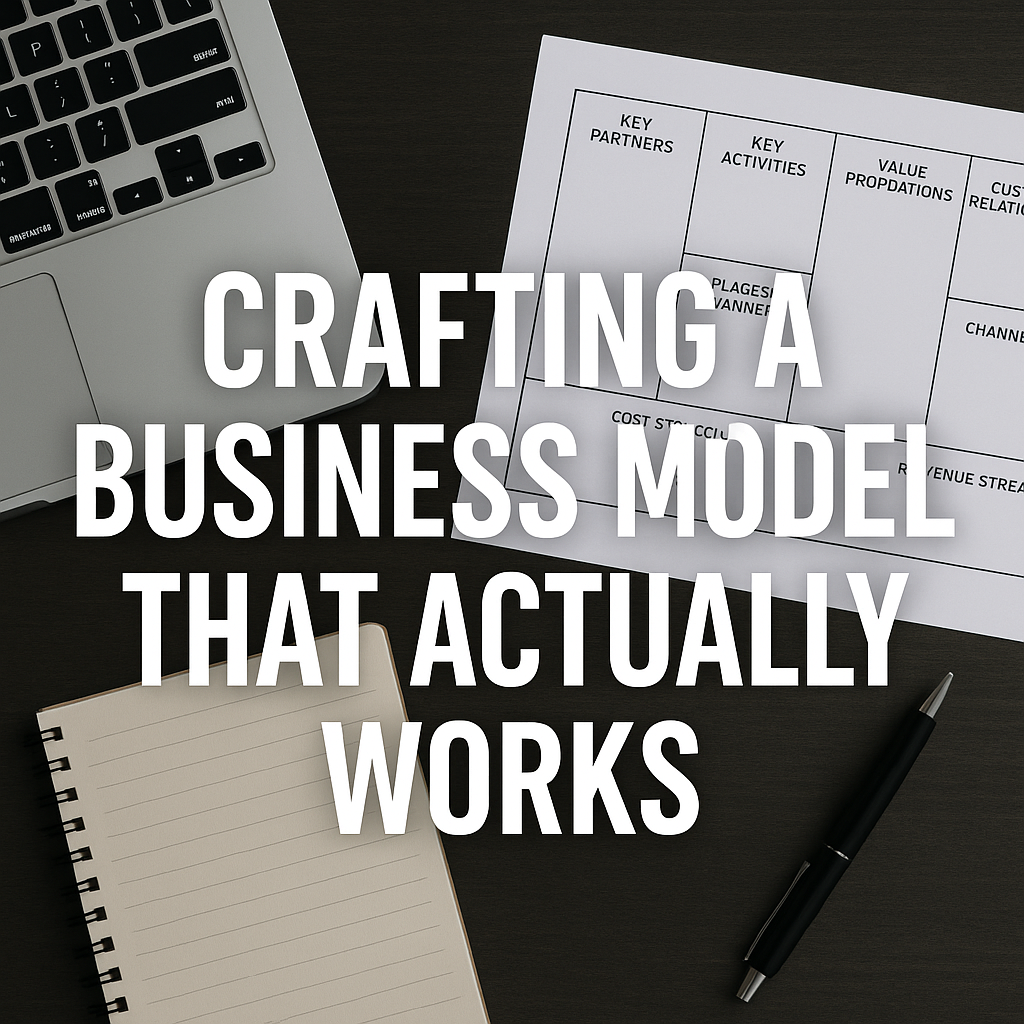
You don’t need to reinvent the wheel. Use a proven structure like the Business Model Canvas, which includes these nine building blocks:
- Customer Segments
Who are you serving? Be specific (e.g. freelancers, busy parents, tech startups). - Value Propositions
What value do you offer? Why should people choose you? - Channels
How will you reach customers? (Online, in-person, partnerships) - Customer Relationships
How do you acquire, retain, and support customers? - Revenue Streams
How will you earn money? (Sales, subscriptions, ads, affiliate income) - Key Resources
What assets do you need? (People, tech, capital) - Key Activities
What are the most important things your business must do every day? - Key Partnerships
Who can help you scale or improve? (Suppliers, affiliates, platforms) - Cost Structure
What are your major expenses? Are they fixed or variable?
Examples of Popular Business Models
Here are some real-world models that work well across industries:
1. Freemium Model
Basic service is free; users pay for advanced features.
Example: Spotify, Canva
2. Subscription Model
Customers pay recurring fees for ongoing access.
Example: Netflix, Gym memberships
3. Marketplace Model
You connect buyers and sellers and earn a commission.
Example: Airbnb, Etsy
4. Direct-to-Consumer (DTC)
Brands sell directly without middlemen.
Example: Dollar Shave Club, Warby Parker
5. Affiliate Model
You promote others’ products and earn a cut of sales.
Example: Many bloggers and influencers
Each model has trade-offs. Choose one that aligns with your product and audience.
How to Validate Your Business Model
Before scaling, validate that your model works in the real world. Here’s how:
- Start Small: Launch a basic version and gather feedback
- Track Metrics: Focus on acquisition cost, lifetime value, and profit margin
- Listen to Customers: Their feedback reveals gaps in your assumptions
- Test Pricing: Experiment to find what people are truly willing to pay
- Study Competitors: What works for them? What gaps can you fill?
Common Business Model Mistakes
Avoid these pitfalls:
- Relying on a single income source
- Overestimating market size
- Ignoring customer retention
- Misunderstanding your costs
- Copying competitors without understanding their model fully
Evolving Your Business Model Over Time
The best businesses adapt. As the market evolves, your business model should too. Pay attention to:
- New technologies
- Customer behavior shifts
- Economic conditions
- Opportunities to automate or outsource
Example: Many restaurants shifted from dine-in to delivery-focused models after COVID-19 — and thrived.
Final Insight: Build for Sustainability, Not Just Revenue
A good business model isn’t about making fast money — it’s about building a system that supports long-term success. Focus on delivering real value, understanding your customers, and building efficient operations.
The most successful companies aren’t always the flashiest — they’re the ones with rock-solid business models that adapt and endure.