
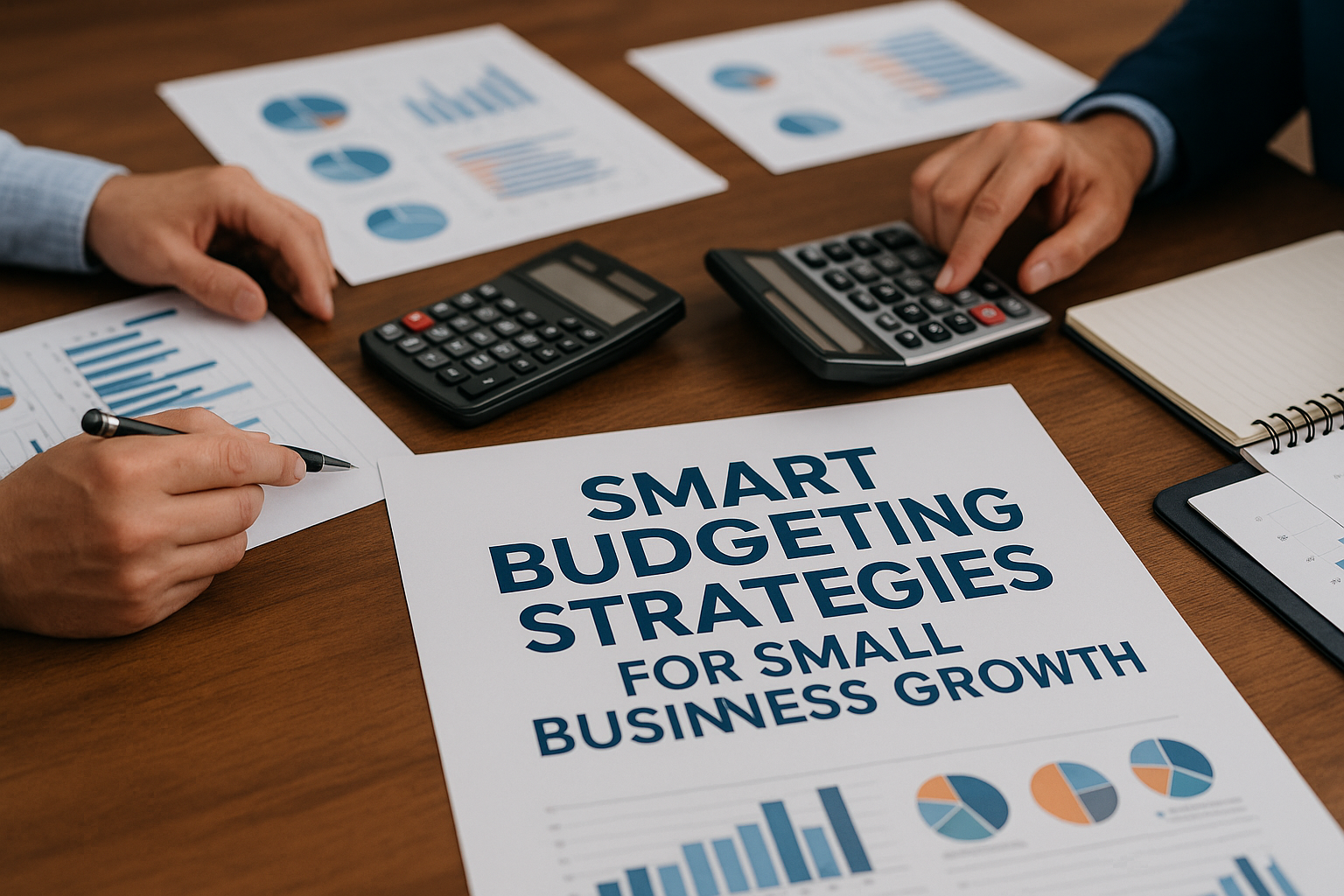
For small businesses, managing finances effectively isn’t just about survival—it’s about creating a solid foundation for growth. A well-planned budget can help owners control spending, allocate resources efficiently, and prepare for opportunities or challenges ahead. In this article, we’ll explore smart budgeting strategies that drive long-term success for small businesses.
Why Budgeting Is Crucial for Growth
A budget is more than a financial document—it’s a strategic tool. When used correctly, it helps business owners:
- Track income and expenses
- Predict cash flow patterns
- Set growth targets
- Make informed investment decisions
- Avoid overspending and debt
Small businesses with structured budgets are more resilient and better equipped to seize opportunities when they arise.
Step 1: Understand Your Financial Reality
Before building a budget, you need a clear picture of your current financial situation. Start by gathering accurate data on:
- Revenue streams
- Fixed and variable expenses
- Debt obligations
- Net profit margins
- Cash flow trends
Use accounting software or detailed spreadsheets to track this information consistently. The more accurate your financial overview, the more reliable your budget will be.
Step 2: Set Specific and Measurable Goals
Budgeting should be goal-driven. These goals will guide how funds are allocated and help measure progress.
Examples of budgeting goals include:
- Reducing operational expenses by 10% over the next quarter
- Increasing monthly profit margins by 5%
- Saving a set percentage of income for future investments
- Allocating more budget to marketing to boost sales
Make sure your goals are realistic, measurable, and time-bound. This makes it easier to adjust your strategy and stay on track.
Step 3: Categorize Your Expenses
Dividing your expenses into categories allows for better control and easier analysis. The three main types are:
- Fixed Expenses: Rent, salaries, insurance, software subscriptions
- Variable Expenses: Inventory, marketing, utilities, sales commissions
- Occasional or Unexpected Expenses: Repairs, upgrades, staff training
This structure helps you identify which areas consume the most resources—and which ones offer opportunities for optimization.
Step 4: Prioritize Cash Flow Management
Positive cash flow is essential for keeping a small business running smoothly. A good budget should account for the timing of both incoming and outgoing cash.
Tips for managing cash flow:
- Align expenses with revenue cycles
- Set payment reminders for recurring bills
- Negotiate better payment terms with vendors or clients
- Build a cash reserve to cover unexpected costs
When your cash flow is predictable, you gain more confidence in making growth-related decisions.
Step 5: Use Technology to Automate and Optimize
Budgeting manually can be time-consuming and error-prone. Fortunately, there are many tools designed to help small business owners streamline the process:
- Accounting platforms: QuickBooks, Xero, FreshBooks
- Budgeting software: PlanGuru, Float, LivePlan
- Expense trackers: Wave, Expensify
These tools offer features like automated reports, real-time tracking, and visual dashboards that make budgeting easier and more accurate.
Step 6: Reevaluate Your Budget Regularly
Your budget isn’t static—it should evolve as your business changes. Monthly or quarterly reviews are essential to stay aligned with your goals.
During your review, ask:
- Are we overspending in any category?
- Are we meeting our revenue targets?
- Do we need to reallocate funds for upcoming projects?
- Have our business priorities shifted?
Adjusting your budget based on actual performance ensures your financial strategy remains effective.
Step 7: Allocate a Growth Investment Fund
Smart budgeting isn’t just about cutting costs—it’s about strategic allocation. One powerful strategy is to dedicate a portion of your budget specifically for growth.
This could be used for:
- Marketing campaigns
- Hiring additional staff
- Equipment upgrades
- Expanding your product or service line
- Attending industry events or training
Even if you start small, consistently setting aside funds for reinvestment helps accelerate your long-term goals.
Step 8: Track Performance Against Budget
One of the biggest mistakes small businesses make is creating a budget and then ignoring it. To ensure its effectiveness, you need to regularly compare actual results against your budgeted projections.
Monitor:
- Revenue vs. expected income
- Expenses vs. budget allocations
- ROI from specific investments
This helps you stay accountable and quickly spot problem areas that need correction.
Step 9: Educate and Involve Your Team
A budget is more effective when everyone in the organization understands and supports it. Transparency and collaboration can lead to better decisions and improved performance.
Ways to involve your team:
- Share budget goals and progress updates
- Encourage departments to manage their own mini-budgets
- Offer incentives for meeting budget-related targets
- Provide financial literacy training where needed
When your team is financially aware, they’re more likely to act in the business’s best interest.
Small Steps Lead to Big Growth
Budgeting doesn’t have to be complex. With the right tools and mindset, small businesses can create realistic, actionable budgets that support sustainable growth.
The key is consistency: track your numbers, review performance, and adjust as needed. Over time, your budget becomes more than just a plan—it becomes a roadmap to a thriving, resilient business.